Thermal Imaging Core Buying Guide: How to Choose Between 640×512 and 1280×1024 for UAV Applications
When many UAV integrators begin selecting a thermal imaging core, the first question is often simple: Should we choose 640×512 or 1280×1024?
On paper, the answer seems obvious. Higher resolution looks better. More pixels sound more professional. A larger image feels safer for demanding missions. But in real UAV projects, the best thermal imaging core is not always the one with the highest number on the specification sheet.
The better choice is the one that matches the aircraft platform, flight altitude, target size, field of view, payload weight, data workflow, budget, and final mission requirement. For B2B UAV teams, this decision matters more than it may seem at first.
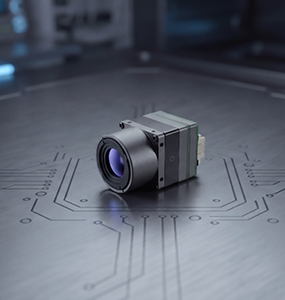
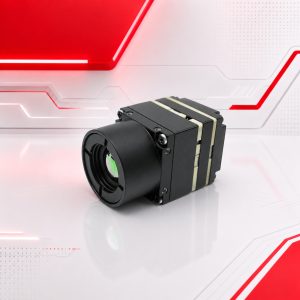
A thermal imaging core is not only a camera component. It directly affects payload design, gimbal structure, video transmission, power consumption, image processing, operator workload, and even the customer's confidence during field operation. At Luminex, the thermal imaging camera core product line includes options such as the LUX640 640×512 50Hz uncooled thermal imaging camera core and the LUX1280 1280×1024 uncooled thermal imaging camera core. These products serve different levels of UAV imaging requirements, and the right choice depends on the real mission instead of a single parameter.
1. First Understand What the Thermal Core Must Help the UAV See
Before comparing 640×512 and 1280×1024, the first thing to confirm is not resolution. It is the mission.
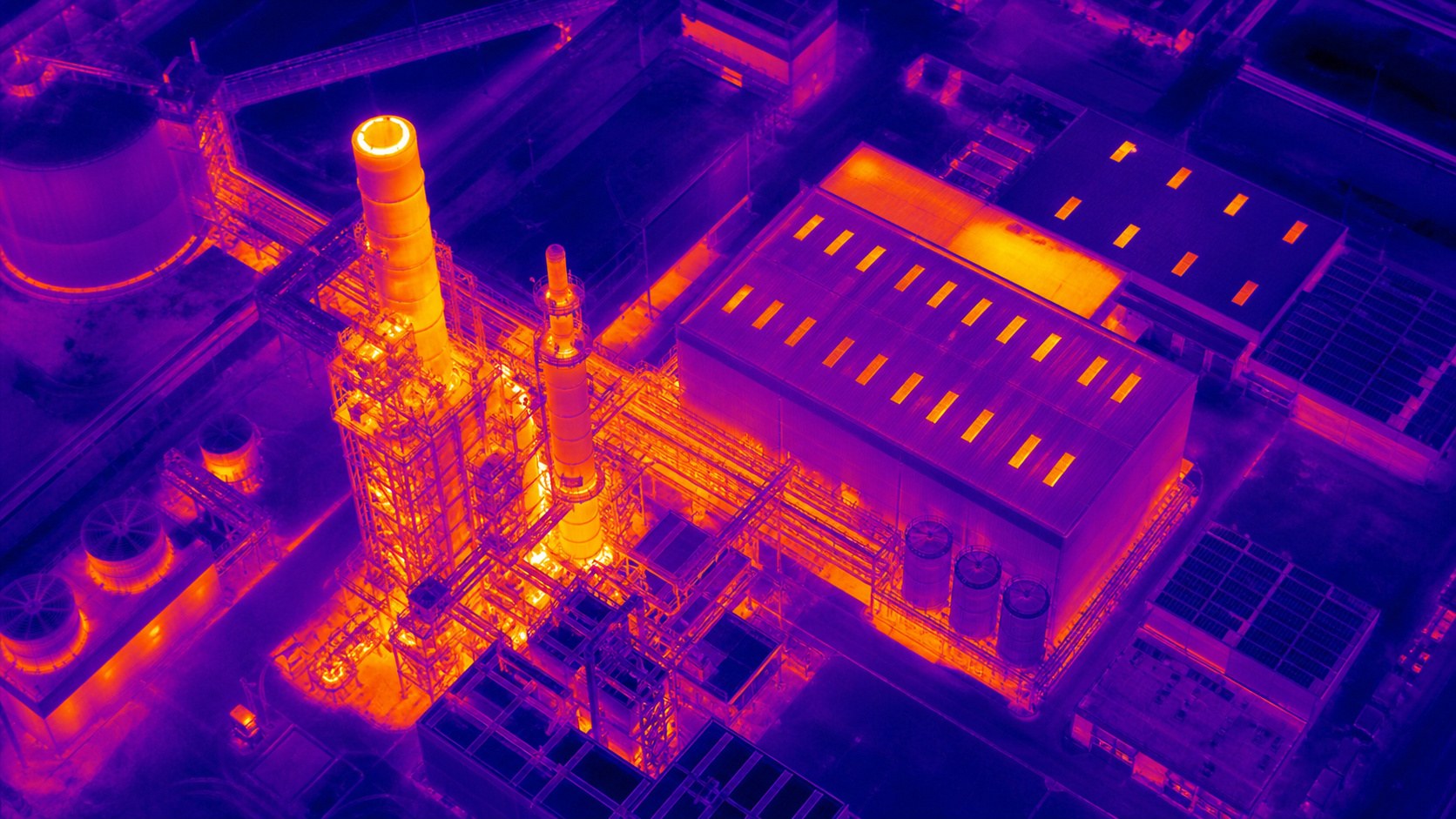
Many procurement teams make the mistake of asking, "Which thermal camera core is better?" before explaining what they need to detect. In practice, different UAV applications require different imaging priorities. For power line inspection, the operator may need to identify overheating connectors, transformers, or cable joints from a certain flight distance. For search and rescue, the key requirement may be finding heat signatures quickly across a wide area. For industrial facility inspection, stable temperature contrast and repeatable imaging may matter more than extremely high resolution. For security and night operation, the goal may be continuous situational awareness rather than detailed temperature analysis. This is why the same thermal core cannot be judged only by pixel count.
- A 640×512 core may be completely sufficient for many patrol, inspection, and monitoring tasks.
- A 1280×1024 core becomes valuable when the mission requires a wider scene, more detail, better recognition, or higher-value data capture from a safer flight distance.
The real question should be: What target must the UAV detect, from what distance, under what environment, and with what level of confidence?
Once this question is clear, the resolution decision becomes much more practical.
2. When a 640×512 Thermal Imaging Core Is the More Practical Choice
A 640×512 thermal imaging core is often a strong choice for industrial UAV applications because it balances imaging performance, payload integration difficulty, system cost, and mission efficiency. For many UAV projects, 640×512 already provides enough detail for common thermal detection tasks. It can support patrol inspection, equipment overheating detection, fire prevention, night search support, facility monitoring, and general industrial observation. When paired with the right lens, gimbal, video transmission system, and operator workflow, it can deliver practical field value without making the payload system unnecessarily complex. The LUX640 640×512 50Hz uncooled thermal imaging camera core is suitable for projects where the buyer needs a reliable thermal imaging foundation but does not want the full system cost and integration pressure of an ultra-high-resolution thermal solution. This type of core is especially worth considering when:
- The aircraft has limited payload capacity
- The mission focuses on detection rather than detailed image analysis
- The operating distance is moderate
- The customer needs a stable and cost-effective thermal payload
- The project requires batch deployment across multiple UAVs
- The buyer wants to balance performance and total system cost
In real projects, "enough resolution" is often better than "maximum resolution" if it allows the UAV to fly longer, integrate faster, consume less power, and stay within the customer's budget.
3. When a 1280×1024 Thermal Imaging Core Becomes Necessary
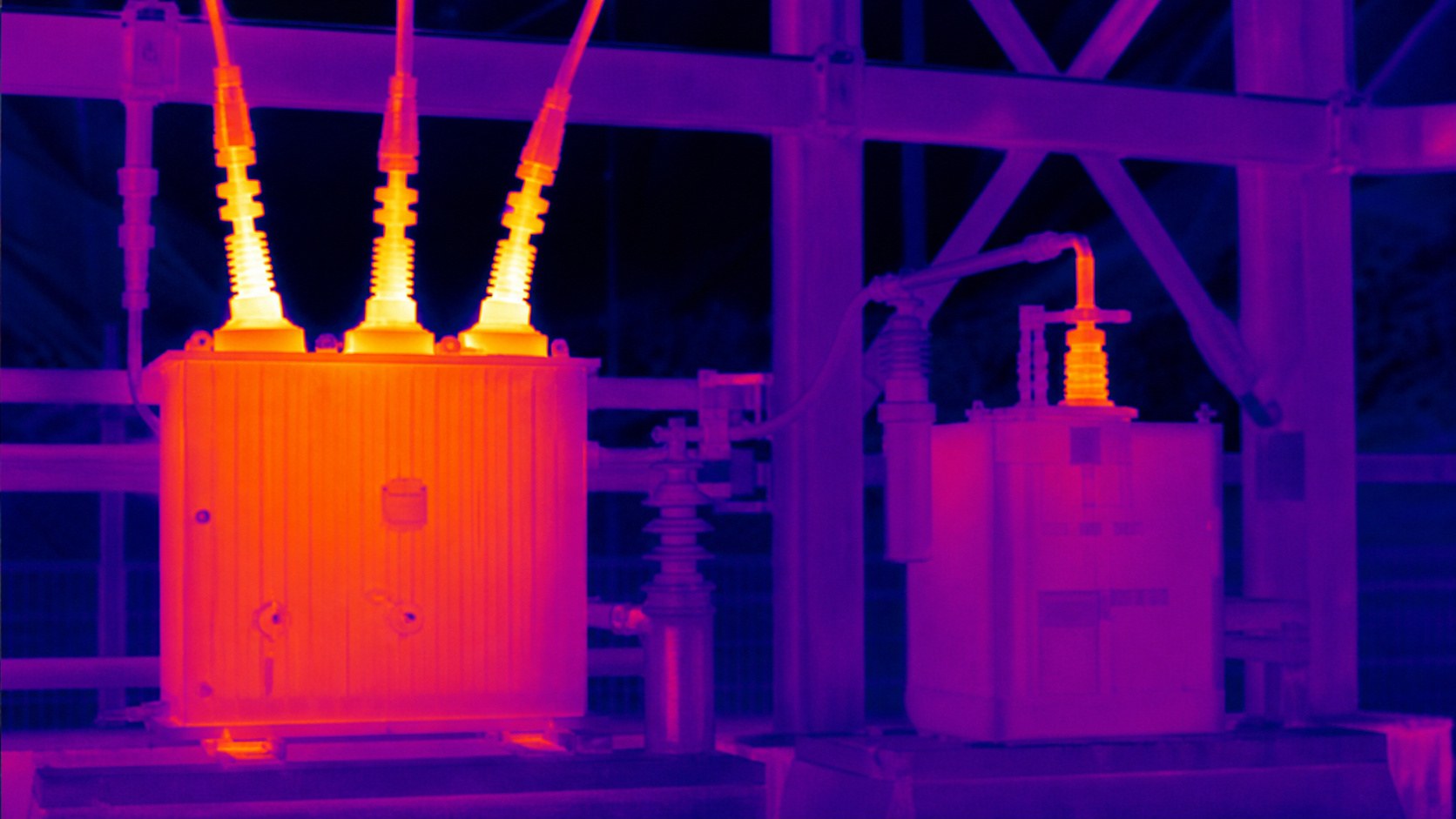
A 1280×1024 thermal imaging core serves a different type of project. It is not simply a more expensive version of 640×512. It is designed for missions where detail, coverage, and image information density are more important. The LUX1280 1280×1024 uncooled thermal imaging camera core can be considered when the UAV needs to observe a wider area, identify smaller thermal targets, maintain usable image detail from a longer distance, or support more demanding industrial, security, or research applications. For example, in high-value infrastructure inspection, a customer may want the aircraft to keep a safer distance from the target while still capturing meaningful thermal information. In wide-area search missions, more pixels can help operators review a larger scene without losing too much detail. In advanced payload development, higher thermal resolution can also create more flexibility for image processing, zooming, and data analysis. However, a 1280×1024 core should not be selected only because it looks stronger in marketing material. Higher resolution may also bring higher system requirements. The payload design may need better processing support, stronger image transmission capability, suitable lenses, stable power, careful heat management, and more attention to data workflow. Choose 1280×1024 when the mission truly needs the extra information. Do not choose it only because the number looks impressive.
4. Do Not Decide by Resolution Alone
Resolution is important, but it is only one part of thermal imaging performance. A professional UAV thermal payload should be reviewed as a complete imaging system. Here are the key factors procurement and engineering teams should confirm before making a decision.
| Requirement | 640×512 Thermal Core | 1280×1024 Thermal Core |
|---|---|---|
| General inspection | Usually sufficient | Stronger but may be unnecessary |
| Wide-area search | Usable | Better scene coverage and detail |
4.1 Lens and Field of View
The same thermal core can behave very differently with different lenses. A wide field of view helps cover more area, while a narrow field of view improves target detail at distance. If the lens is not matched to the mission, even a high-resolution core may fail to deliver the expected field result. For inspection tasks, the buyer should define the expected flight distance and target size. For patrol tasks, area coverage and operator awareness may be more important.
4.2 Frame Rate and Image Stability
For moving UAV platforms, frame rate matters. A stable image stream helps the operator observe thermal changes more naturally and reduces the difficulty of identifying targets during flight. The LUX640 640×512 50Hz core is useful in applications where smooth thermal video is important. But frame rate should always be considered together with video output, processing, and transmission conditions.
4.3 Sensitivity and Thermal Contrast
Thermal imaging is not normal visible light imaging. The value of the image depends on temperature contrast. If the target and background have very close temperatures, the system needs enough sensitivity and proper image processing to make the target useful to the operator. This is especially important in industrial inspection, fire prevention, building monitoring, and search missions.
4.4 Power Consumption, Size, and Weight
Every gram matters on a UAV. A thermal imaging core that looks strong in isolation may create problems if the final payload becomes too heavy, too hot, or too power-hungry. Before ordering, confirm:
- Core size
- Weight
- Power input requirement
- Heat dissipation needs
- Mounting method
- Gimbal compatibility
- Cable routing
- Video output interface
A good thermal payload is not only about seeing heat. It must also fly reliably.
5. 640×512 vs 1280×1024: A Practical Comparison
| Requirement | 640×512 Thermal Core | 1280×1024 Thermal Core |
|---|---|---|
| Payload weight control | Easier to manage | Needs more system planning |
| Cost control | More practical | Higher project budget |
| Long-distance detail | Moderate | Better potential |
| Batch deployment | More suitable | Suitable for high-value projects |
| Advanced image analysis | Limited by resolution | More image data available |
This table does not mean one option is better than the other. It means the core must be selected according to project value. If the project is cost-sensitive, repeatable, and focused on standard industrial detection, 640×512 may be the more balanced choice. If the project needs high-detail observation, larger coverage, premium imaging, or specialized payload development, 1280×1024 deserves serious consideration.
6. Integration Is Where Many Thermal Imaging Projects Slow Down
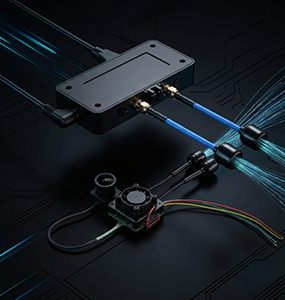
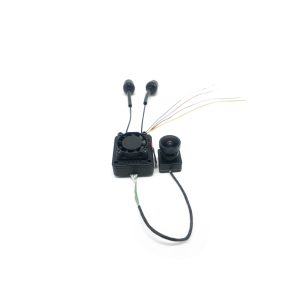
Many UAV thermal imaging projects do not fail because the core is bad. They slow down because the integration plan was not clear enough. A thermal core still needs a complete chain around it:
- Mechanical mounting
- Gimbal stabilization
- Power supply
- Heat dissipation
- Video output
- Digital video transmission
- Ground station display
- Software control
- Field testing
If one of these links is ignored, the final customer may see unstable images, delayed video, poor target recognition, short flight time, or difficult operation.
This is why procurement should not only ask for a thermal imaging core quotation. A better request includes aircraft type, payload weight limit, operating altitude, target scenario, preferred lens, video output requirement, ground station requirement, quantity, and customization needs.
7. A Simple Procurement Checklist for UAV Thermal Imaging Cores
Before choosing between LUX640 and LUX1280, prepare the following information:
- What object or heat source must be detected?
- What is the expected flight distance?
- Does the mission require detection, recognition, or measurement?
- Is the UAV payload weight limited?
- Is smooth video more important than still image detail?
- What video output does the ground station need?
- Will the system use a gimbal?
- Is the project a one-time integration or batch deployment?
- What is the expected operating environment?
- Is customization required?
If these questions are answered early, thermal imaging core selection becomes much more efficient.
8. Final Thoughts: The Best Thermal Core Is the One That Fits the Mission
The choice between 640×512 and 1280×1024 should not be treated as a simple specification comparison. For UAV applications, thermal imaging value comes from mission fit.
A 640×512 core can be the right answer when the customer needs practical industrial detection, stable performance, and controlled system cost. A 1280×1024 core can be the right answer when the mission needs higher image detail, wider observation, safer distance, or more advanced data value. For integrators, distributors, and project owners, the goal is not to buy the highest number. The goal is to build a payload that helps the UAV complete the mission more safely, clearly, and efficiently. If you are evaluating thermal imaging solutions for UAV payloads, Luminex can support selection discussions based on your aircraft platform, payload target, operating scenario, and project quantity.
FAQ
Is 1280×1024 always better than 640×512 for UAV thermal imaging?
Not always. 1280×1024 provides more image detail, but 640×512 may be more practical for many inspection, patrol, and batch deployment projects. The right choice depends on mission distance, target size, payload limits, and budget.
When should I choose a 640×512 thermal imaging core?
Choose 640×512 when the mission requires reliable thermal detection, moderate detail, balanced cost, easier payload integration, and practical deployment across multiple UAVs.
When should I choose a 1280×1024 thermal imaging core?
Choose 1280×1024 when the project needs higher detail, wider image coverage, longer observation distance, advanced analysis, or premium imaging performance.
Is resolution the most important thermal camera parameter?
Resolution is important, but it is not the only factor. Lens, field of view, sensitivity, frame rate, power, heat dissipation, video output, gimbal stability, and integration design also affect the final result.
What information should I provide before asking for a thermal core recommendation?
Provide aircraft model, payload limit, target object, flight distance, operating environment, video output requirement, ground station workflow, expected quantity, and whether customization is needed.